Project 2025 The Database Revolution
BlogWith great pleasure, we will explore the intriguing topic related to Project 2025: The Database Revolution. Let’s weave interesting information and offer fresh perspectives to the readers.



In today’s data-driven world, organizations are increasingly reliant on databases to store, manage, and analyze their information. As the volume and complexity of data continues to grow, traditional database systems are struggling to keep pace. Project 2025 is a groundbreaking initiative that aims to revolutionize the database landscape by creating a new generation of databases that are faster, more scalable, and more flexible than anything that has come before.

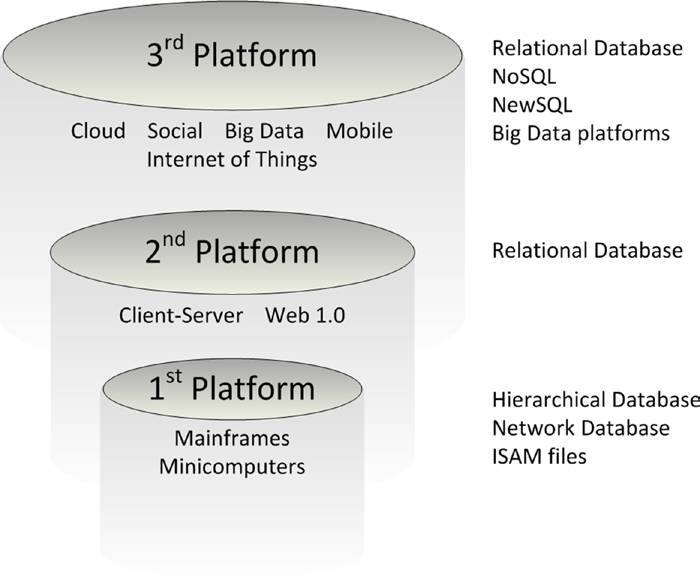
Traditional database systems are based on a relational model that was developed in the 1970s. While relational databases have served us well for many years, they are starting to show their age. They are not well-suited for handling the massive volumes of data that are being generated today, and they can be difficult to scale and manage.
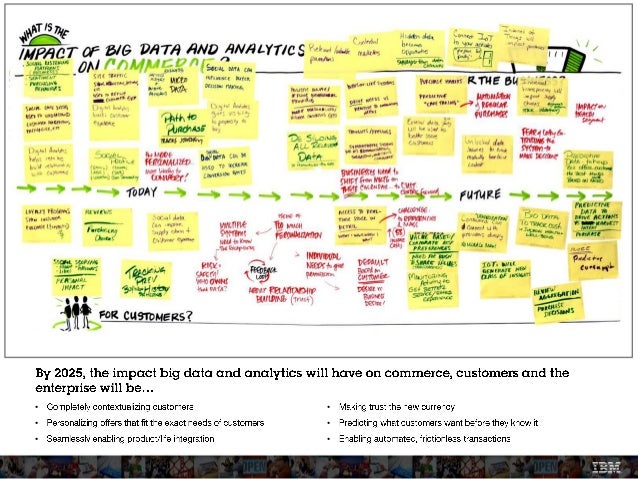
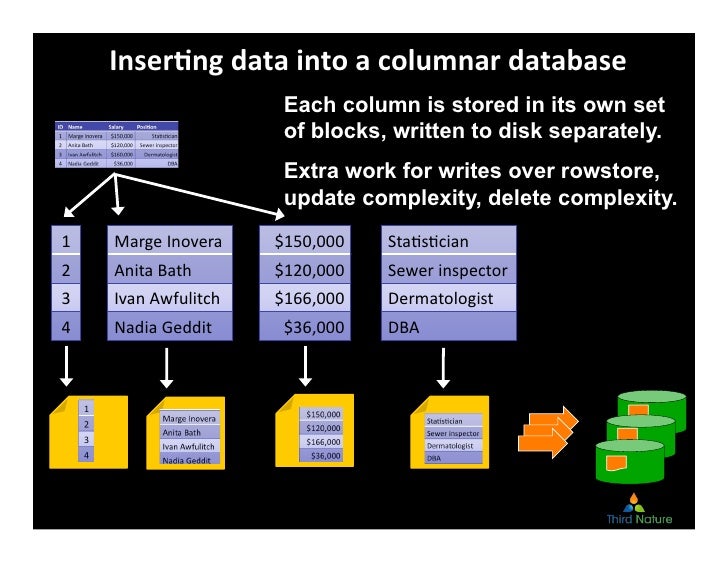
In addition, traditional databases are not designed to handle the complex data types that are becoming increasingly common. For example, social media data, sensor data, and geospatial data can be difficult to store and analyze using traditional database systems.
Project 2025 is a global initiative to develop a new generation of databases that are designed to meet the challenges of the 21st century. The goal of Project 2025 is to create databases that are:

The Project 2025 architecture is based on a new data model called the "logical data warehouse." The logical data warehouse is a layer of abstraction that sits between the physical database and the applications that use it. The logical data warehouse provides a unified view of all of the data that an organization has, regardless of where it is stored.

The logical data warehouse is built using a new data management technology called "semantic modeling." Semantic modeling allows data to be represented in a way that is both human-readable and machine-understandable. This makes it possible to create databases that are easier to design, build, and maintain.
Project 2025 is a long-term initiative. The first phase of the project is expected to be completed by 2025. This phase will focus on developing the core technologies for the new generation of databases.

The second phase of the project will focus on deploying the new technologies in real-world applications. This phase is expected to be completed by 2030.
Project 2025 has the potential to revolutionize the way that organizations store, manage, and analyze data. The new generation of databases that are being developed as part of Project 2025 will be faster, more scalable, and more flexible than anything that has come before. This will make it possible for organizations to unlock the full potential of their data and gain a competitive advantage in the 21st century.
Project 2025 is a bold initiative that has the potential to change the world. The new generation of databases that are being developed as part of Project 2025 will make it possible for organizations to store, manage, and analyze data in ways that are simply not possible today. This will open up new possibilities for innovation and growth in all sectors of the economy.

Thus, we hope this article has provided valuable insights into Project 2025: The Database Revolution. We hope you find this article informative and beneficial. See you in our next article!